In my opinion, people will come to the site, curious, because they care about animals - animals should be the first thing they see!
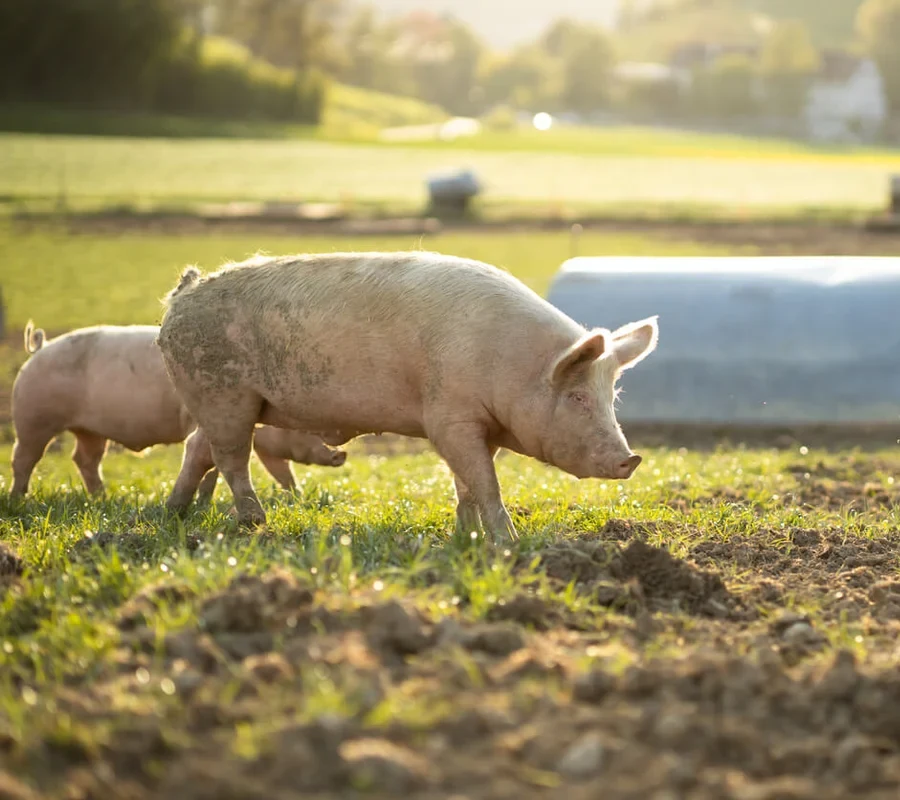
We believe it's time animals had dedicated representatives in our parliaments.
Many people will arrive on your site with nothing more than idle curiosity and a vague feeling of liking and caring about animals. In my opinion it would help to make the problem concrete as early as possible so that they have a clear sense of what it is you're trying to effect and why.
These numbers are just examples - obviously you'd check your own before use.
What we believe needs to change
This is what's happening to animals in the UK.
2.5million+
Procedures carried out on animals in scientific research across Great Britain (2025)
Official · Home Office40%
Of the UK's arable land is used to grow animal feed instead of food for people
Estimate · WWF-UKI know you've addressed the single issue party question in your FAQs, but in my opinion that's buried quite deep in the site, I don't think many people will get that far. It's maybe the first and most serious objection you need to at least acknowledge, which is why I would have a space for it on the home page.
Not a single-issue party
Animal welfare is symptomatic of a wider set of problems.
We want a country where the impact on animals and the environment is considered in every kind of policy, whether it's industrial, health-related, or agricultural - not treated as a separate concern. Farming, food and land use already touch housing, health, trade, technology and the environment, so a serious approach to animal welfare has to engage with all of it.
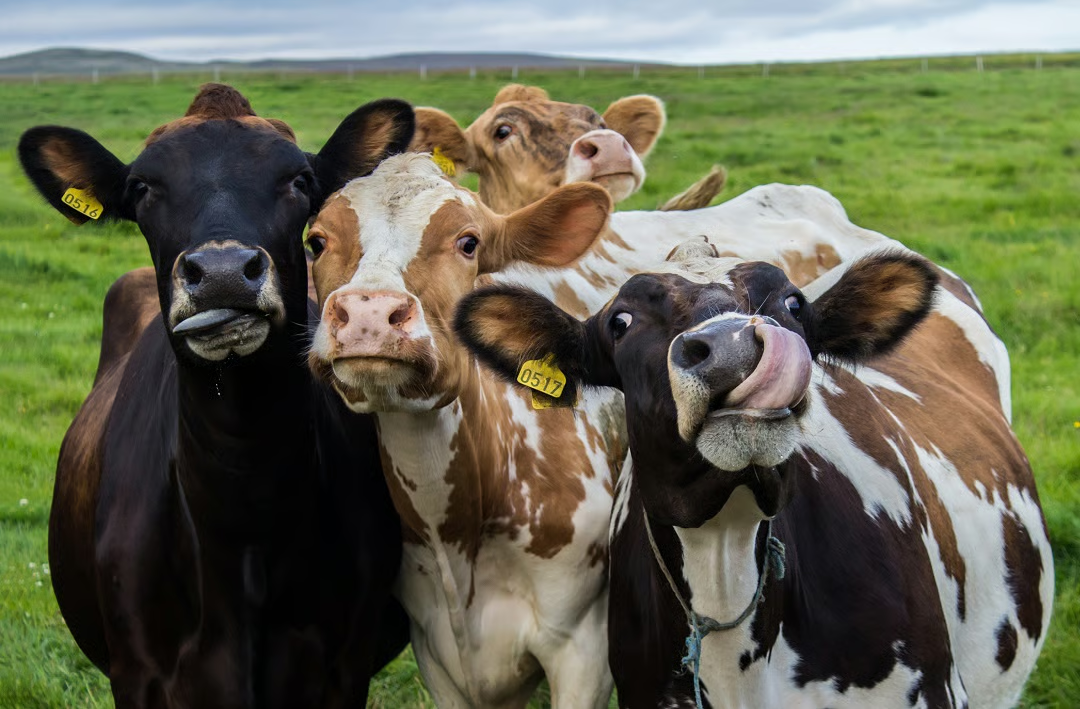
This may be addressing the same objection multiple times, but I think that's the main hurdle to someone joining or donating - ‘what's the point?’ Laying it out concisely and punchily, acknowledging that your goals aren't the same as the major parties' but still aren't frivolous or pointless, would go a long way.
How we plan to make a difference
We're not trying to form a government.
Winning a majority isn't the only way to win. Here's what we hope to achieve by standing in elections:
-
1
We get animal welfare into the conversation
Voters who care about animal welfare see our name on the ballot paper and are prompted to ask other candidates what their policies on animal welfare actually are - so just by standing, we start that conversation.
-
2
Show how many people care
When a party sees it's lost hundreds of votes to an animal welfare candidate, that's something they can't ignore - either they adjust their policies to win those votes back, or they keep losing them.
-
3
Change policy without winning power
Minor parties rarely win outright, but a strong enough vote share can still change what bigger parties are willing to say and do, especially close to an election.
-
4
Continue holding them to account
We keep standing after they adopt our policies, specifically to check they didn't just say it to make us go away.
-
5
Winning a seat would change what we can do
Even one MP gets a public platform to question the government directly and hold them to account on animal welfare, on the record, in Parliament. In a close election, it could also mean real concessions in exchange for support.
I'm not very confident on the reasoning here, but I do think this is a crucial objection to address since it will occur to many people.
“Won't voting for you just waste my vote?”
If you're in a safe seat and don't support whoever's going to win it, voting with your conscience isn't wasted - it shows up in the numbers, and a growing vote share gets noticed.
In a closer seat, winning is genuinely on the table. And even where we don't win, bigger parties often borrow popular policies from smaller ones to win voters back - if those policies protect animals, that's a win without winning.
What we'd actually do
Our policies
Improving human & planet health & saving NHS funds
by leading on an urgent transition to healthy & sustainable plant-based diets
Ending farming & fishing practices, systems & subsidies
which are harmful to animals, biodiversity & our planet
Better protecting companion animals
with compulsory licensing, tightening breeding regulations & ending breed-specific legislation
Ending all animal testing
with binding targets for reduction combined with proper funding & real support for non-animal methods
Ending the commercial racing of horses & dogs
I know you have an FAQ section, but again in my opinion directly addressing the main objections in a concise way on your homepage would go a long way.
FAQs
Questions people often ask us
- Is this a single-issue party?
- No. Animal welfare is why we started, but our policies also cover farming, food, health and the environment, because those are all connected to it.
- What happens if you never win a seat?
- We keep standing anyway. The point isn't forming a government, it's making animal welfare something every party has to respond to, not something only we talk about.
- How is this different from the Green Party?
- We agree with them on a lot. But animal welfare isn't guaranteed a place in any other party's platform, so we exist to make sure someone is standing on it regardless.
- Who funds you?
- Member subscriptions and donations, mostly small amounts from individual supporters. No corporate or lobby funding.
Call me stupid, but I wasn't actually sure what joining a party meant? Again I think this is something worth laying out plainly.
Before you join
What does membership actually entail?
- A small monthly subscription that helps fund our efforts.
- The option to have a say in who stands as a candidate for us - or the opportunity to put yourself forward as a candidate.
- Access to our monthly newsletter, detailing our progress on the issues we're fighting for.
- Making a contribution to the evidence that people in the UK want political action on animal welfare.
You don't need to be a member to vote for us, and membership doesn't bind your vote either way.
Another thought is that you should look at using Stripe for payments, it means you can accept payment via PayPal AND Apple Pay / Google Pay, especially convenient for young people and on mobile (and I think the fees are cheaper?)
Make your contribution
Every seat we contest costs money.
We're funded entirely by members and small donations - no corporate money, no state funding, no wealthy backers, and we're run almost entirely by volunteers, not staff.
Some of our costs:
- Candidate deposits - £500 per seat, returned only if we win at least 5% of the vote.
- Leaflets and printed materials - designing, printing and delivering them door to door, since plenty of voters will never find us online.
- Campaigning and advertising - stalls, hustings, street stands and local promotion to get our name and policies in front of people.
- Events and meetups - venue hire and basic running costs for the meetings where members shape our policy and choose our candidates.
Or pay with card
or
- Account name
- Do More For Animals
- Account number
- 00 00 00 00
- Sort code
- 00-00-00
Please use ‘DONATION’ as your payment reference.
Cheques payable to ‘Do More For Animals’, posted to: Do More For Animals, PO Box 1874, London, SW1A 1AA.